Identity and self-awareness
Your own history shapes how you coach. We'll look at the beliefs and adaptations you carry into the room, and what they do to your presence, your judgment, and your blind spots.


Supervision that develops the whole coach
Supervision should help you become more than a better coach. It should help you become a more self-aware, grounded, and effective professional.
Your own history shapes how you coach. We'll look at the beliefs and adaptations you carry into the room, and what they do to your presence, your judgment, and your blind spots.
Bring the hard ones. Ethical gray areas, boundary questions, the client you can't stop thinking about. You'll leave with a plan and a second set of eyes.
Learn practical tools to stay present, grounded, and emotionally regulated while supporting clients through trauma and change.
Most supervision stops at behavior. We'll go underneath it, into the identity and meaning-making that drive how a person heals, and how you can work with that in session.
I've built businesses, led organizations, and helped other coaches grow their practices. Executive leadership, entrepreneurship, marketing, and an MBA. We can work on your coaching and your business in the same hour.
We'll develop strategies to help you build and sustain a practice that aligns with your values and goals.
Technology should support your mission, not replace it.
The depth of our coaching is limited by the depth of our self-awareness.Bradley Hall
Most supervision focuses on client cases. Effective supervision also considers the coach.
Our work can move between a difficult client case, an ethical question, your own reactions in the room, and the practical work of building a practice that is ethical, sustainable, and aligned with who you are becoming.
My perspective is shaped by more than coach training. It brings together trauma recovery coaching, depth psychology, mindfulness, education, leadership, entrepreneurship, and business strategy to support the full range of challenges coaches encounter.
I'm an IAOTRC Certified Trauma Recovery Coach, an approved supervisor, and a faculty member. I understand the standards, the responsibilities, and the daily realities of trauma recovery coaching, and I provide supervision that supports both professional competence and personal growth.
My graduate training in depth psychology provides a framework for exploring identity, unconscious patterns, meaning, and adaptation. It also creates space to examine how your own experiences, assumptions, and emotional responses can influence your work with clients.
Coaching is both a calling and a profession.
With an MBA and decades of experience in business, leadership, education, and organizational development, I help coaches think beyond individual sessions to the long-term development of a practice that reflects their values and supports the life they want to build.
You are not choosing someone to approve your hours. You are choosing a supervisor who can help you grow as a coach, a professional, and a person.
Supervision should reflect where you are in your development, the complexity of your work, and the level of support you need.
Some coaches grow fastest alongside others. Some need focused, individual attention. Both options give you practical supervision grounded in the realities of trauma recovery coaching.
Learn, reflect, and grow alongside other coaches
Monthly group supervision is a supportive space to work through client cases, ethical questions, professional challenges, and the personal reactions that surface in this work.
You get direct supervision. You also get the questions, perspectives, and experience of other trauma recovery coaches in the room.
Focused support for your work and your development
Individual supervision gives you dedicated time for the issues that matter most to you.
A session might center on a complex client case, an ethical decision, countertransference and your own reactions to a client, professional confidence, practice development, or the ways your own experiences and patterns are shaping the work.
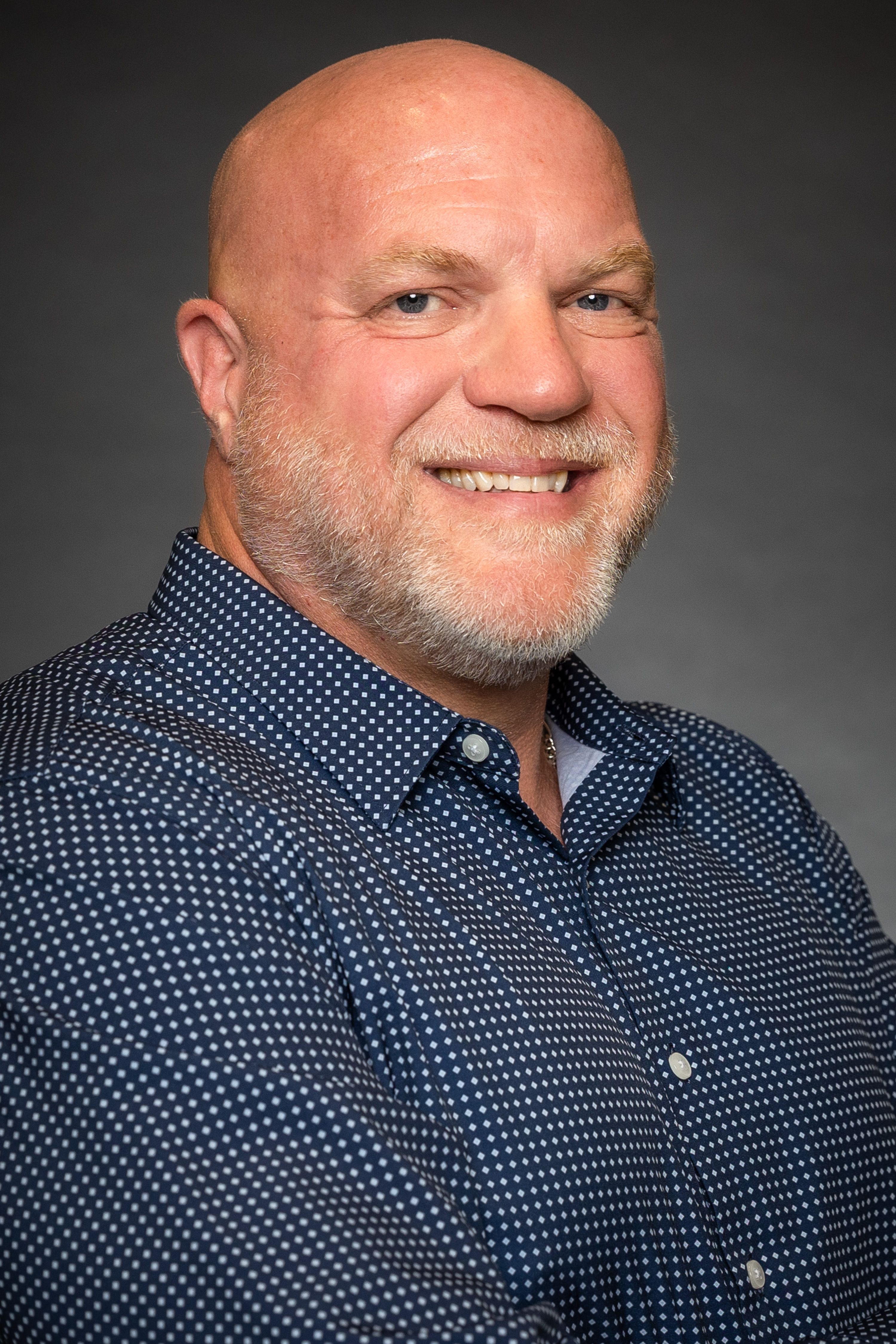
Why I supervise
You will hit moments that shake your confidence, stretch what you know, or surface something of your own you didn't expect to find in the room.
Those moments are not evidence that you're failing. They're the work asking to go deeper.
That's what supervision has always meant to me. Not someone evaluating your work, but someone alongside you while you do your own.
Bradley Hall
IAOTRC certified coach, approved supervisor, and faculty
No. Supervision is open to IAOTRC certified coaches and to students working toward initial certification.
Yes. Many coaches attend group supervision regularly and schedule individual sessions when they need focused support.
Cancel at least 48 hours before the scheduled session and you'll receive a credit toward a future group supervision session.
Cancellations made less than 48 hours out, and no-shows, are non-refundable and are not eligible for credit. Group supervision is limited to 12 coaches, so a late cancellation usually means another coach could not take the seat.
If an emergency comes up, reach out. Exceptions are not guaranteed, but genuine emergencies are considered case by case.
It depends on where you are in your certification journey.
For your first IAOTRC certification renewal, you complete either:
After your first renewal, IAOTRC does not currently require additional supervision hours. Renewal moves to continuing education, an ethics review, and the other standing requirements.
If you're not sure which path fits or how many hours you've already completed, reach out. I'm glad to help you work it out.
Yes, within the usual ethical and legal limits. What you bring to supervision stays between us, except where law or professional ethics require disclosure.
Group supervision carries one added consideration. Every participant agrees to hold what is shared in the room, and I hold that standard firmly, though a group is by nature less private than an individual session. Bring what you're comfortable bringing, and use one-to-one supervision for anything more sensitive.
Yes, and it should. Supervision is not only about client cases. It's a place to look at how you are developing as a coach, and at what your own history brings into the room.
Growth doesn't end with certification. It continues through reflection, honest conversation, and the willingness to keep learning.
Whether you join a group of peers or choose one-to-one supervision, I'd be honored to do that work alongside you.